Your brain is a greedy organ. It consumes twenty percent of your daily energy. Yet, it's mostly made of fat. Specifically, it craves the right kind of fat. Deep-sea fish pack a massive punch when it comes to unsaturated fatty acids. These healthy fats don't just keep your heart ticking. They actively protect and nourish your brain. For millennia, our ancestors foraged for seafood along coastlines. This dietary habit literally shaped human brain evolution. Modern diets often lack these crucial nutrients. We eat too much processed food and not enough cold-water fish. This imbalance leaves our minds vulnerable. Let's dive into why your brain needs a steady supply of omega-3s and how deep-sea fish deliver the ultimate cognitive defense.
Your Brain is Built on Fat and Demands Omega-3s
Sixty percent of your brain is fat. Half of that fat is omega-3 fatty acids [NIH]. You need them to build brain and nerve cells. They're essential for learning and memory. Think of omega-3s as the bricks and mortar of your mind.
Docosahexaenoic acid, or DHA, is the structural superstar. It keeps cell membranes fluid and flexible. This flexibility allows neurons to communicate quickly and efficiently. When a signal reaches a neuron, the membrane must bend and fuse to release neurotransmitters. When synapses fire, they rely on this membrane fluidity to release chemical messengers. Without enough DHA, the synapses stiffen. Communication breaks down. DHA prevents that rigidity.
When you don't get enough, your brain struggles. Poor memory and mood swings often follow [Harvard Public Health]. Your cognitive processing speed drops. You might feel brain fog or struggle to focus on complex tasks. Your mind simply lacks the physical building blocks it needs to operate at peak capacity.
Eicosapentaenoic acid, or EPA, plays a different but equally vital role. It manages inflammation. Your brain uses a lot of oxygen, which creates oxidative stress. EPA steps in to neutralize this stress and calm neural inflammation. Chronic inflammation damages neurons over time. EPA acts as your brain's internal fire extinguisher [Cleveland Clinic].
Deep-Sea Fish Deliver the Ultimate Brain Fuel

Not all omega-3s are created equal. Plants give you alpha-linolenic acid, or ALA. Walnuts, flaxseeds, and chia seeds are great sources. But your body has to convert ALA into EPA and DHA to use it in the brain. This conversion rate is terrible. You might only convert less than five percent of the ALA you eat [LPI]. You'd have to eat massive amounts of plant seeds to get a fraction of the brain benefits.
Deep-sea fish skip this step entirely. They give you EPA and DHA directly. Your brain absorbs them immediately. Salmon, mackerel, sardines, and herring are your best bets. These cold-water swimmers store omega-3s in their tissues to survive freezing depths. The fat keeps them buoyant and insulated. When you eat them, you harvest that survival fat for your own neurological benefit.
Fatty fish are unique in the animal kingdom. Most land animals store saturated fat. Cold-water fish store polyunsaturated fat. This fat remains liquid even in near-freezing ocean temperatures. That same liquid property translates to your brain cell membranes. It keeps your thoughts flowing smoothly even as you age. The rich, oily texture of these fish is a direct result of their high fat content. Embrace that richness. It's the exact fuel your neurons are begging for.
Omega-3s Shield Your Mind Against Cognitive Decline
People who eat fish regularly keep their minds sharper as they age. It's that simple. Studies show a clear link between high omega-3 intake and a slower rate of mental decline [WHO]. Your brain physically shrinks as you get older. This shrinkage leads to memory loss. Omega-3s slow this physical atrophy.
Let's talk about Alzheimer's disease. Researchers are actively studying how omega-3s might delay its onset. DHA helps clear amyloid plaques from the brain. These sticky protein clumps are a hallmark of Alzheimer's [Johns Hopkins]. By keeping the brain environment clean, DHA protects your long-term memory and identity.

But it's not just about old age. Omega-3s protect your brain right now. They help manage depression and anxiety. EPA, in particular, shows strong promise in easing depressive symptoms [AHA]. Low levels of omega-3s are frequently linked to higher rates of mood disorders. Supplementing your diet with fatty fish can lift your mental baseline. Emerging research even points to benefits for attention deficit hyperactivity disorder. Children and adults with low omega-3 levels often struggle with focus. Increasing intake can improve attention spans and reduce impulsivity.
Your brain physically changes when you eat more fish. Brain scans reveal that people with higher blood levels of omega-3s have more volume in the hippocampus. This is the memory center of your brain [Mayo Clinic]. A larger hippocampus means better memory retention and faster recall. You're literally growing your brain's memory hardware by eating the right fats.
How to Add More Fatty Fish to Your Diet Safely
You need to eat fish to get these benefits. The American Heart Association recommends two servings of fatty fish per week [AHA]. A serving is about 3.5 ounces. That's roughly the size of a deck of cards. Bake it, grill it, or poach it. Avoid deep-frying. Frying destroys the healthy fats and adds empty calories.
Navigating Mercury Concerns
What about mercury? It's a valid concern. Large predatory fish like shark or swordfish accumulate heavy metals. Stick to smaller fish. Sardines, salmon, and trout are low in mercury and high in omega-3s [NHS]. Smaller fish haven't lived long enough to accumulate toxins. They are the safest and most efficient way to get your omega-3s.
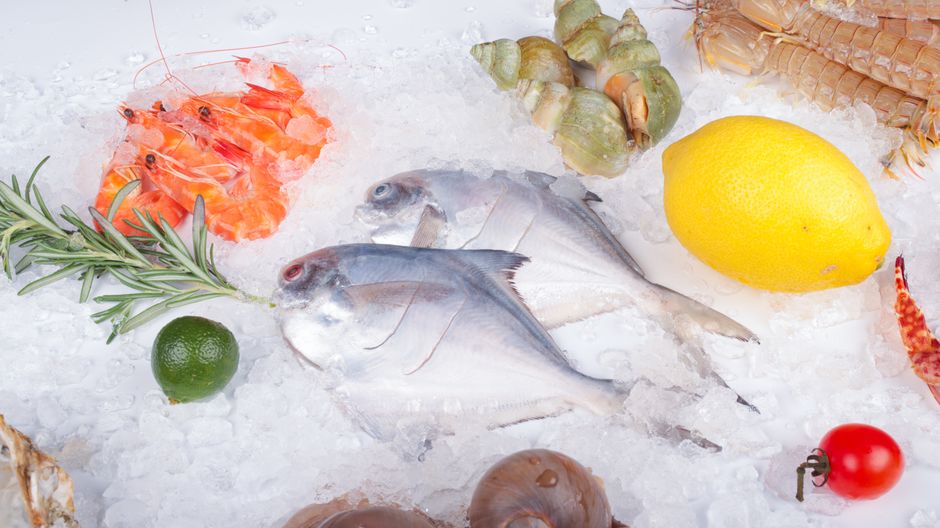
Smart Shopping and Preparation
Canned fish works perfectly. Canned sardines and wild salmon are cheap and convenient. Keep a few tins in your pantry. Toss them into salads or mash them with avocado on toast. When buying canned fish, always check the label. Choose fish packed in water or olive oil. Avoid those packed in soybean or sunflower oil, which add inflammatory omega-6 fats. You can easily hit your weekly quota without spending hours in the kitchen.
Don't like fish? Talk to your doctor about an algae-based supplement. Algae is where the fish get their omega-3s in the first place [LPI]. Fish eat the algae, and we eat the fish. You can just cut out the middleman. Algae oil provides pure DHA and EPA without any fishy taste or heavy metal risks.
Summary
Your brain deserves the best fuel available. Deep-sea fish provide the exact unsaturated fatty acids your mind needs to thrive. DHA builds the physical structure. EPA fights off damaging inflammation. Eating fatty fish twice a week protects your memory, lifts your mood, and shields you from cognitive decline. You don't need complicated diets or expensive supplements. Just add more salmon, mackerel, and sardines to your plate. Your brain will thank you for every bite.
References
This article references the following authoritative sources:
- World Health Organization — United Nations agency responsible for international public health
- National Institutes of Health — US government medical research agency
- Mayo Clinic — Nonprofit American academic medical center
- Cleveland Clinic — American nonprofit academic medical center
- Johns Hopkins Medicine — American academic medical center and health system
- NHS UK — United Kingdom publicly funded healthcare system
- Harvard T.H. Chan School of Public Health — Harvard University public health graduate school
- American Heart Association — Nonprofit focused on heart disease and stroke prevention
- Linus Pauling Institute — Micronutrient research institute at Oregon State University