Heart disease remains the leading cause of death globally. You probably know this. Millions of people suffer from preventable cardiovascular events every single year. But what if the secret to a stronger heart isn't locked in a pharmacy? It's sitting right in your kitchen. The Mediterranean diet pattern significantly reduces the risk of cardiovascular disease. This isn't just another fleeting health trend. Decades of rigorous research back it up. Scientists first noticed this in the 1950s. People in Crete and southern Italy had remarkably low heart disease rates. Their secret? Their daily food. You don't need to count every single calorie. You don't need to buy expensive supplements. You just need to change how you eat. Let's break down why this eating style works and how you can make it your own.
The Mediterranean Diet is More Than Just a Meal Plan
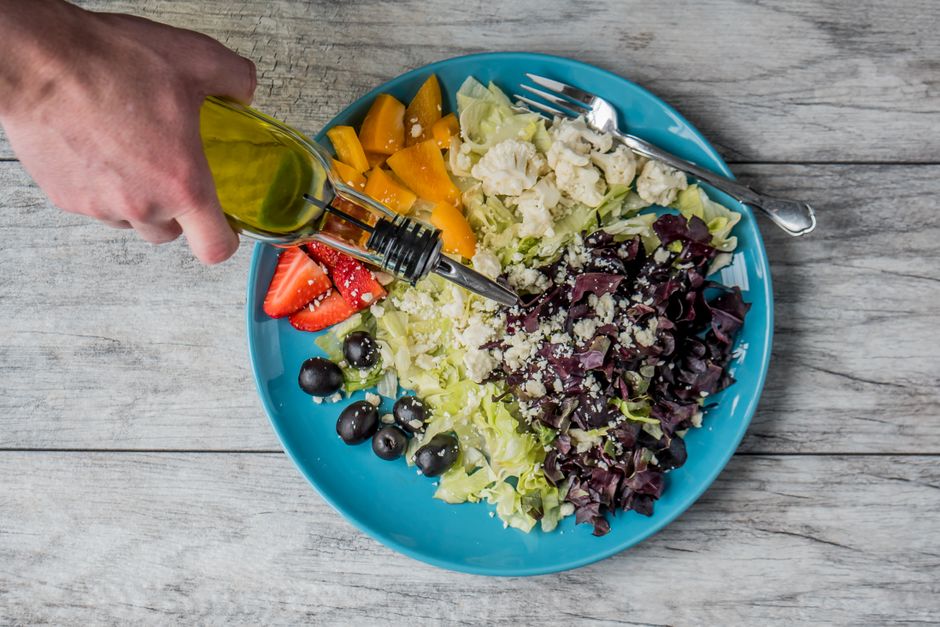
People often misunderstand this diet. They think it's just eating endless pasta and drinking wine. That's a huge oversimplification. The traditional Mediterranean eating pattern focuses on whole, minimally processed foods. Olive oil is the primary source of added fat. You'll eat plenty of vegetables, fruits, legumes, and nuts. Whole grains take center stage. Fish and poultry are eaten in moderate amounts. Red meat and sweets make rare appearances.
It's a lifestyle, not a strict rulebook. Meals are often shared with family and friends. Physical activity is woven into daily life. Wine is consumed in low to moderate amounts, usually with meals. This holistic approach is exactly why it works so well. The [AND] emphasizes that this pattern provides a balanced intake of essential nutrients without restrictive rules. You aren't banning food groups. You're just shifting the proportions. This makes the diet highly sustainable for the long haul.
This Eating Pattern Directly Lowers Heart Disease Risk
The evidence is overwhelming. The Mediterranean diet significantly cuts cardiovascular risk. The [AHA] strongly recommends this eating pattern for optimal heart health. Why? Because it targets the root causes of heart disease from multiple angles.
First, it improves your lipid profile. The high monounsaturated fat content from extra virgin olive oil and nuts lowers LDL cholesterol. It doesn't just lower it. It changes the particle size, making it less dangerous. The [Harvard Public Health] notes that replacing saturated fats with unsaturated fats dramatically reduces heart attack risk.
Second, it fights systemic inflammation. Chronic inflammation damages blood vessels over time. The antioxidants in colorful vegetables, fruits, and herbs neutralize free radicals. The [LPI] highlights how polyphenols in olive oil and berries protect the endothelial lining of your arteries. This keeps your blood vessels flexible and clear. Emerging research also points to the gut microbiome. The high fiber content feeds beneficial gut bacteria. The [NIH] links a healthy microbiome to reduced systemic inflammation and better cardiovascular outcomes.
Third, it manages blood pressure and blood sugar. The high potassium and magnesium content from plant foods relaxes blood vessels. The [Mayo Clinic] confirms that this diet can lower blood pressure effectively. It also improves insulin sensitivity. The [ADA] points out that stable blood sugar prevents the vascular damage associated with metabolic syndrome.
It also helps with weight management. You don't have to starve. The high fiber and healthy fat content keeps you full. The [Cleveland Clinic] points out that sustainable weight loss is a natural byproduct of this way of eating. This further reduces the physical strain on your heart.
You Can Easily Build a Mediterranean Plate Every Day
Knowing the benefits is one thing. Actually doing it is another. Transitioning doesn't require a massive overhaul overnight. Start small. The [IFIC] suggests that gradual dietary changes lead to better long-term adherence.
Start With Simple Swaps
Swap your cooking fats first. Ditch the butter and use extra virgin olive oil. It's the easiest switch you'll make. Next, look at your protein. Aim for at least two servings of fatty fish like salmon, mackerel, or sardines each week. The [WHO] recommends fish for its omega-3 fatty acids. These fats protect against arrhythmias and lower triglycerides.
Redesign your plate visually. Fill half of it with vegetables. Make them colorful. Add a quarter plate of whole grains like quinoa, farro, or brown rice. The last quarter should be lean protein. The [USDA] aligns perfectly with this visual model for optimal daily nutrition.

Snack smarter. Trade the processed chips for a handful of almonds, walnuts, or pistachios. The [NIH] shows that daily nut consumption is linked to a significant drop in cardiovascular mortality.
Don't forget the herbs and spices. They add massive flavor without the sodium. High sodium intake spikes blood pressure. The [CDC] urges adults to reduce sodium to prevent hypertension. Herbs solve this problem deliciously.
What about drinks? Water is your best friend. Unsweetened tea and coffee are perfectly fine. The [CDC] recommends water as the primary beverage to maintain hydration without adding empty calories. If you drink alcohol, limit it to one glass of red wine per day for women and two for men.
Listen to your body. Eat when you're hungry. Stop when you're full. This mindful approach prevents overeating and fosters a healthy relationship with food. Here is what a perfect day looks like. Start with oatmeal topped with berries and walnuts. Have a large salad with grilled chicken, chickpeas, and an olive oil vinaigrette for lunch. Enjoy baked salmon with roasted asparagus and quinoa for dinner. Snack on an apple with almond butter. It's simple. It's delicious. It's incredibly good for you.
Summary
The Mediterranean diet pattern significantly reduces the risk of cardiovascular disease. That's a fact backed by global health authorities. It's not about deprivation. It's about abundance. You get to eat delicious, satisfying food while actively protecting your heart.
You lower your cholesterol. You calm inflammation. You stabilize your blood pressure and blood sugar. The benefits compound over time. Your heart gets stronger with every healthy meal. The science is clear. The food is amazing. The results speak for themselves.
You don't need a perfect diet. You just need a consistent one. Start by adding one extra serving of vegetables today. Swap your butter for olive oil tomorrow. Small steps lead to massive health transformations. Your heart will thank you for every single choice.
References
This article references the following authoritative sources:
- World Health Organization — United Nations agency responsible for international public health
- Centers for Disease Control and Prevention — US national public health agency
- National Institutes of Health — US government medical research agency
- Mayo Clinic — Nonprofit American academic medical center
- Cleveland Clinic — American nonprofit academic medical center
- Harvard T.H. Chan School of Public Health — Harvard University public health graduate school
- Academy of Nutrition and Dietetics — World's largest organization of food and nutrition professionals
- USDA FoodData Central — US Department of Agriculture food composition database
- American Heart Association — Nonprofit focused on heart disease and stroke prevention
- American Diabetes Association — Nonprofit focused on diabetes research and advocacy
- International Food Information Council — Science-based nutrition and food safety information
- Linus Pauling Institute — Micronutrient research institute at Oregon State University