Flu season turns your home into a quiet transmission zone. You wash your hands, you got your vaccine, but the virus still finds a way in. One sick child touches the fridge handle. You touch the same handle, then rub your eye. That’s all it takes. Disinfecting high-touch surfaces breaks that chain. This guide covers what actually works, how often to do it, and how to avoid common mistakes.
How Flu Spreads Inside Your Home
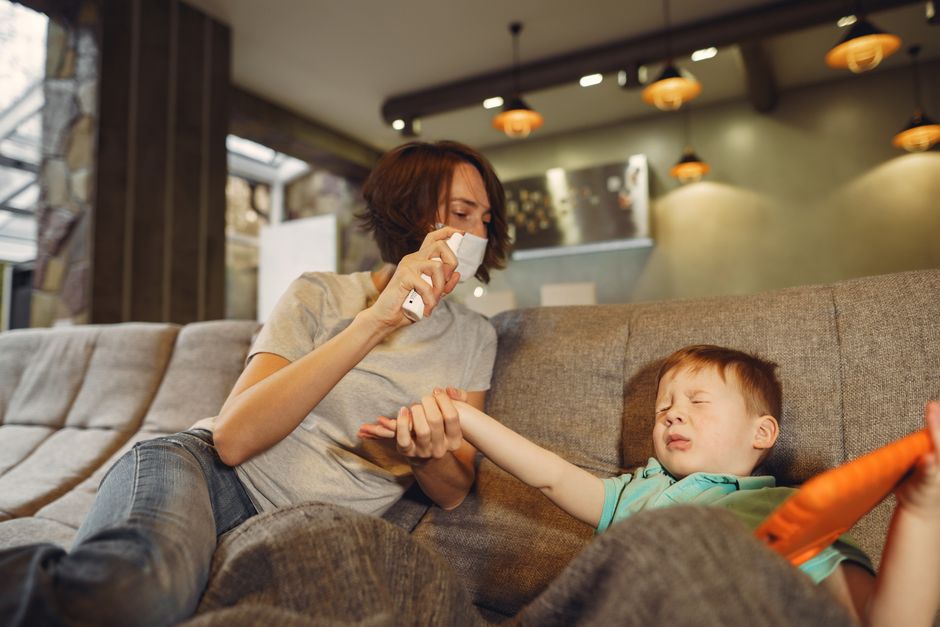
Flu spreads mainly through droplets. When someone coughs, sneezes, or talks, tiny droplets fly out. Those droplets can land in your mouth or nose. They also settle on surfaces. You touch the surface. You touch your face. The virus enters through your eyes, nose, or mouth.
The flu virus can survive on hard surfaces for up to 48 hours [CDC]. That includes doorknobs, light switches, remote controls, and kitchen counters. On porous surfaces like tissues, fabric, and paper, it dies faster. But hard, nonporous surfaces give the virus a longer bridge between people.
Why Surface Disinfection Still Matters
Handwashing is your first defense. But hands get lazy. People touch their faces constantly, often without thinking. A well-placed disinfectant routine reduces the number of live viruses on the surfaces your family touches most. This matters even more when someone in the house is already sick.
Cleaning vs. Disinfecting: Know the Difference
Cleaning and disinfecting are not the same thing. Cleaning removes dirt, grease, and some germs using soap and water. Disinfecting kills germs on surfaces using chemicals. You can clean without disinfecting. You can disinfect without cleaning. But disinfecting a dirty surface won’t work well.
The Two-Step Rule
Always clean first. Wipe down the surface with soap and water to remove visible grime. Then apply your disinfectant. Let it sit for the contact time listed on the label. That’s the time the surface must stay wet for the product to kill flu viruses. Wipe it dry if needed.
This two-step rule matters in the kitchen and bathroom. Crumbs, oils, and soap scum can shield viruses from the disinfectant. A quick spray-and-wipe won’t do the job if the surface isn’t clean first [CDC].
High-Touch Surfaces You Should Disinfect Daily
You don’t need to disinfect every inch of your home. Target the surfaces that hands touch over and over. In flu season, that daily hit list should include:
- Doorknobs and door handles
- Light switches
- Remote controls
- Phones and tablets
- Faucet handles
- Toilet flush levers
- Refrigerator handles
- Microwave and oven touch panels
- Stair railings
- Cabinet pulls

Electronics Need Special Care
Phones are some of the dirtiest devices in the home. People carry them everywhere, including the bathroom. Don’t drench electronics with cleaner. Use a 70% isopropyl alcohol wipe or spray alcohol onto a microfiber cloth, then wipe the screen and buttons. Follow the manufacturer’s advice for tablets and keyboards [CDC].
Bathrooms and Kitchens Demand Extra Attention
The bathroom and kitchen are high-risk zones. They’re moist, heavily touched, and often shared. Disinfect the bathroom faucet handle after someone sick uses the sink. Wipe the toilet flush lever daily. In the kitchen, focus on the refrigerator handle, cabinet pulls, and counter edges. Don’t forget the sponge. It can harbor germs, but that’s a cleaning problem more than a disinfection one. Run it through the dishwasher or replace it often.
Choosing and Using Disinfectants Safely
Not every cleaner kills flu viruses. A bottle that says “cleans” doesn’t necessarily disinfect. Look for an EPA registration number on the label. In the U.S., disinfectants must be registered with the EPA. The label should say “disinfectant” and list influenza viruses as a target.
Bleach Solution Recipe
Household bleach works well against flu viruses. Use unscented bleach that contains 5% to 9% sodium hypochlorite. Mix 5 tablespoons, or about one-third cup, of bleach into one gallon of room-temperature water. For a smaller batch, use 4 teaspoons of bleach per quart of water [CDC].
Make a fresh batch daily. Bleach solutions lose potency after 24 hours. Apply the solution to a clean, hard, nonporous surface. Leave it wet for at least one minute. Then rinse with clean water or let it air dry, especially on surfaces that touch food.
Alcohol and Hydrogen Peroxide
Alcohol solutions with at least 70% isopropyl alcohol can disinfect small surfaces and electronics. The surface needs to stay wet for the contact time on the product label. Many alcohol-based wipes need 30 seconds to 5 minutes. Hydrogen peroxide can also work, but it often needs longer contact time. Read the label. The contact time is not a suggestion. If you wipe too early, you’re just cleaning, not disinfecting.
Safety Rules That Prevent Harm
Wear disposable gloves when using strong disinfectants. Wash your hands after removing the gloves. Open a window or turn on the exhaust fan to improve ventilation. Never mix bleach with ammonia, vinegar, or other household cleaners. That combination creates toxic gas. Store all disinfectants out of children’s reach. Keep them in original containers.
Bleach is for hard, nonporous surfaces. It can damage wood, some metals, and fabrics. If you’re unsure, test a small spot first. For delicate surfaces, use an EPA-registered product designed for that material.
Your Daily 10-Minute Flu-Season Routine
A practical routine doesn’t need to eat your day. Ten focused minutes can reduce viral load on the surfaces that matter most.
Morning Reset
Start with a quick sweep. Wipe the bathroom faucet, toilet flush lever, and doorknob. If someone in the house is sick, repeat this after they use the bathroom. Open a window for a few minutes to improve airflow.
Evening Sweep
After dinner, clean the kitchen counters with soap and water. Disinfect the sink faucet, refrigerator handle, and cabinet pulls. Grab a disinfectant wipe and hit the light switches, remote controls, and phones. This small habit catches the germs left behind throughout the day.
When Someone Is Sick
Give the sick person their own hand towel. Disinfect the bathroom surfaces they touch after each use. Remind everyone not to share cups, utensils, or bedding. Wash sick-room laundry with regular detergent and dry it on high heat if the fabric allows [CDC]. Then wash your hands. The virus may not survive long on fabric, but the hands doing the laundry still need attention.
Summary
Flu viruses can live on hard surfaces for up to 48 hours. High-touch surfaces act as a bridge between sick and healthy people. Clean surfaces first with soap and water, then disinfect. Focus on doorknobs, light switches, remotes, phones, faucets, and kitchen handles. Use an EPA-registered disinfectant or a correctly diluted bleach solution. Respect the contact time on the label. Wear gloves and ventilate the room. Never mix bleach with other cleaners. A daily 10-minute routine can lower the viral load in your home and reduce the chance that the flu spreads to another family member [CDC].
References
This article references the following authoritative sources:
- Centers for Disease Control and Prevention — US national public health agency