Why Am I Having Insomnia and Vivid Dreams at the Same Time?
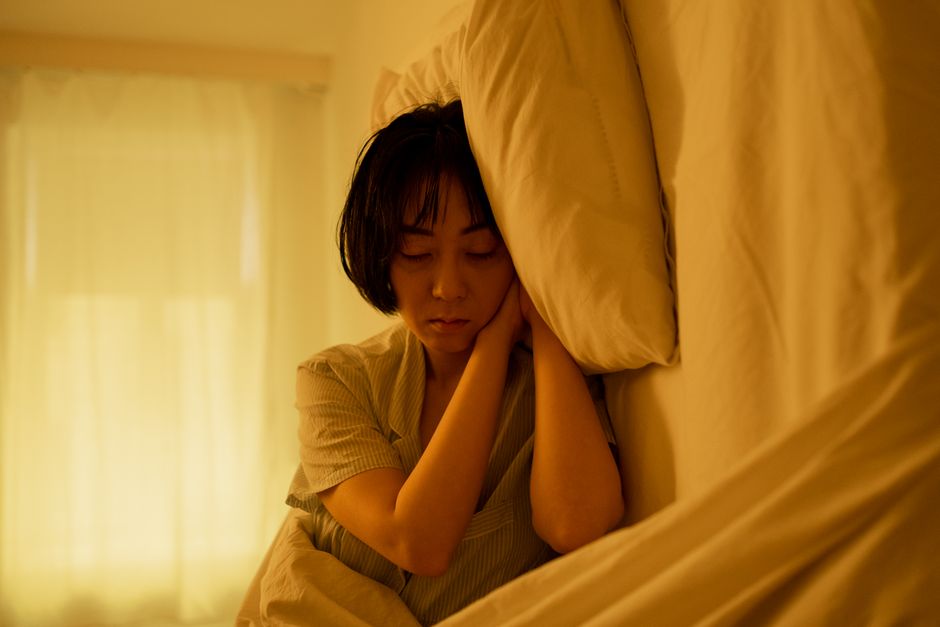
You feel exhausted. Your eyes burn. Yet your brain refuses to shut down. When you finally do drift off, you plunge into a chaotic world of vivid, exhausting dreams. You wake up feeling like you ran a marathon in your sleep. This frustrating cycle of insomnia and excessive dreaming is surprisingly common.
Many people think they are dreaming more than usual. The reality is a bit different. You are likely just remembering more of your dreams. We all dream every night. Dreams primarily occur during Rapid Eye Movement (REM) sleep [AASM]. If your sleep is uninterrupted, you forget most of these dreams. Insomnia shatters your sleep continuity. It causes micro-awakenings. You wake up briefly during or right after a REM cycle. Your brain instantly records the dream. This creates the illusion of non-stop, excessive dreaming [Sleep Foundation].
What Role Does Stress Play in Disrupting Sleep and Triggering Dreams?
Stress is the ultimate sleep thief. When you worry about work, money, or relationships, your body stays on high alert. Your adrenal glands pump out cortisol. This stress hormone keeps your heart rate elevated and your mind racing. Falling asleep becomes nearly impossible.
But stress doesn't just keep you awake. It hijacks your dreams, too. The brain uses REM sleep to process complex emotions and consolidate memories [Mayo Clinic]. When you go to bed stressed, your brain has a massive emotional backlog to process. This intense neural activity translates into highly vivid, often bizarre or disturbing dreams. You might dream about showing up to work naked or being chased by an invisible threat. These nightmares further spike your heart rate. You wake up in a panic. The cycle repeats itself night after night [Cleveland Clinic].
Can Medications or Substances Cause Me to Dream More and Sleep Less?
Your diet and medications heavily dictate your sleep quality. Many common prescriptions alter sleep architecture. Antidepressants, particularly SSRIs, can suppress REM sleep initially. When you miss a dose or stop taking them, your brain experiences REM rebound. You spend way more time in REM sleep than normal. This leads to incredibly intense, vivid dreams [NIH].
Blood pressure medications like beta-blockers are notorious for causing vivid dreams and nightmares. They cross the blood-brain barrier and alter melatonin release in the brain [Johns Hopkins].
Then there is alcohol. A nightcap might help you fall asleep faster. Alcohol is a central nervous system depressant. But as your body metabolizes it, the sedative effect wears off. This triggers a rebound effect in the second half of the night. Your brain rushes into REM sleep to compensate. You experience a flood of vivid, often unpleasant dreams. Alcohol also fragments your sleep, ensuring you wake up to remember every single one of them [Harvard Public Health].
How Do Sleep Disorders and Mental Health Conditions Affect Dreaming?
Underlying medical conditions frequently disguise themselves as simple insomnia. Obstructive sleep apnea is a prime example. Your airway collapses during sleep. You stop breathing. Your brain senses the drop in oxygen and panics. It jolts you awake to gasp for air. These awakenings often happen right out of REM sleep. You remember the dream you were just having, which might involve drowning, suffocating, or being trapped [NHS].
Restless legs syndrome causes an irresistible urge to move your legs. This constant discomfort prevents deep sleep and causes frequent awakenings.
Mental health conditions also play a massive role. Depression often shifts REM sleep to the first half of the night. This makes your dreams feel longer and more intense. Anxiety disorders keep your nervous system hyper-aroused. Your brain stays partially alert even while you sleep. This light sleep state makes you highly susceptible to remembering every fragment of your dreams [CDC].
Understanding the Science Behind Sleep Stages and Dreaming
Fixing the problem requires understanding sleep mechanics. Sleep isn't a single, uniform state. It cycles through different stages every 90 to 110 minutes.
The Mechanics of Non-REM and REM Sleep
Non-REM sleep makes up about 75% to 80% of your night. This includes light sleep and deep, restorative slow-wave sleep. Your body repairs tissues and builds bone here.
REM sleep takes up the remaining 20% to 25%. Your brain becomes highly active. Brain waves look almost identical to when you are awake. Your eyes dart around. Your heart rate and breathing become irregular. This is where vivid dreaming happens. Your brain actually paralyzes your major muscle groups so you don't act out your dreams [WHO].
When you suffer from insomnia, you lose deep sleep. Your brain tries to compensate by increasing REM sleep density. More REM sleep means more dreaming. Combined with the frequent awakenings caused by insomnia, you end up trapped in a state of high dream recall. You feel like you've been dreaming all night because your brain never got the deep rest it desperately needed [NSF].
Practical Steps to Calm Your Mind and Reclaim Restful Nights

Breaking this cycle requires a multi-pronged approach. You can't just take a pill and expect a permanent fix. You need to retrain your brain.
Optimizing Your Sleep Environment
Start with your bedroom. It should be a sanctuary. Keep it cool, dark, and quiet. A room temperature around 65°F (18°C) is ideal for dropping your core body temperature, which signals sleep onset.
Ditch the screens. The blue light from phones and TVs suppresses melatonin production. Stop using electronics at least an hour before bed. Read a physical book or listen to a calming podcast instead.
Rewiring Your Sleep Habits
Establish a strict sleep schedule. Go to bed and wake up at the exact same time every day. Yes, even on weekends. This regulates your circadian rhythm. Your brain will learn when it's time to wind down.
If stress is keeping you awake, try a brain dump. Spend ten minutes writing down your worries and your to-do list for the next day. Get it out of your head and onto paper.
Consider Cognitive Behavioral Therapy for Insomnia (CBT-I). It's the gold standard for treating chronic insomnia. CBT-I helps you identify and change negative thought patterns about sleep. It teaches you to associate your bed with sleep, not with tossing and turning [AASM].
Watch your diet. Avoid heavy meals, caffeine, and alcohol close to bedtime. Caffeine has a half-life of up to six hours. That afternoon coffee is still actively blocking sleep receptors in your brain at midnight.
Summary
Insomnia and excessive dreaming are deeply connected. You aren't necessarily dreaming more. You are just waking up during your REM cycles and remembering your dreams. Stress, medications, alcohol, and underlying sleep disorders fragment your sleep. This fragmentation traps you in a state of high dream recall. Your brain misses out on deep, restorative sleep. Fixing the issue requires addressing the root cause. Optimize your sleep environment. Manage your stress. Cut out late-night alcohol and caffeine. If the problem persists, consult a sleep specialist. Restful, dream-free sleep is entirely possible when you give your brain the right conditions to heal.
References
This article references the following authoritative sources:
- World Health Organization — United Nations agency responsible for international public health
- Centers for Disease Control and Prevention — US national public health agency
- National Institutes of Health — US government medical research agency
- Mayo Clinic — Nonprofit American academic medical center
- Cleveland Clinic — American nonprofit academic medical center
- Johns Hopkins Medicine — American academic medical center and health system
- NHS UK — United Kingdom publicly funded healthcare system
- Harvard T.H. Chan School of Public Health — Harvard University public health graduate school
- National Sleep Foundation — Nonprofit dedicated to sleep health education
- American Academy of Sleep Medicine — Professional society for sleep medicine
- Sleep Foundation — Independent organization providing sleep health information