Introduction
Dry hair is one of the most common hair concerns affecting people of all ages and hair types. Whether caused by environmental factors, heat styling, chemical treatments, or simply genetics, dry hair can leave your locks looking dull, feeling brittle, and prone to breakage. The good news is that with the right daily care routine, you can restore moisture, improve texture, and bring back the healthy shine your hair deserves. This comprehensive guide will walk you through everything you need to know about caring for dry hair on a daily basis.
Understanding Why Your Hair Becomes Dry
Before diving into solutions, it is essential to understand what causes hair to lose its moisture in the first place.
Common Causes of Dry Hair
Environmental exposure plays a significant role in hair dryness. Sun exposure, wind, cold weather, and low humidity can all strip moisture from your strands. Similarly, chlorinated pool water and salt water can leave hair parched and rough.
Heat styling is another major culprit. Frequent use of blow dryers, flat irons, and curling wands damages the hair cuticle, allowing moisture to escape and leaving hair vulnerable to dryness.
Chemical treatments such as coloring, bleaching, perming, and relaxing can compromise the hair's natural protective barrier, resulting in chronic dryness and brittleness.
Over-washing strips the scalp of its natural oils (sebum), which are essential for keeping hair moisturized and protected.
Internal factors including poor nutrition, dehydration, hormonal changes, and certain medical conditions can also contribute to dry hair from within.
Building a Gentle Washing Routine
How you wash your hair forms the foundation of any effective dry hair care routine.
Wash Less Frequently
One of the most impactful changes you can make is reducing how often you shampoo. For dry hair, washing two to three times per week is usually sufficient. This allows your scalp's natural oils to travel down the hair shaft, providing natural conditioning and protection.
Choose the Right Shampoo
Select a sulfate-free, moisturizing shampoo specifically formulated for dry or damaged hair. Sulfates are harsh cleansing agents that strip away natural oils. Look for ingredients such as:
- Argan oil
- Coconut oil
- Shea butter
- Glycerin
- Hyaluronic acid
- Aloe vera

Use Lukewarm Water
Hot water may feel relaxing, but it opens the hair cuticle and strips away essential oils. Wash your hair with lukewarm water instead, and finish with a cool rinse to seal the cuticle and lock in moisture.
Mastering the Art of Conditioning
Conditioning is non-negotiable when it comes to caring for dry hair.
Condition Every Time You Wash
Always follow shampoo with a rich, hydrating conditioner. Apply it from the mid-lengths to the ends of your hair, avoiding the roots if your scalp tends to get oily. Leave it on for at least two to three minutes before rinsing to allow the nourishing ingredients to penetrate the hair shaft.
Incorporate Leave-In Conditioners
A leave-in conditioner provides continuous moisture throughout the day. Apply a small amount to damp hair after washing, focusing on the ends, which are the oldest and driest parts of your hair. This extra layer of hydration helps detangle, protect, and soften your strands.
Deep Condition Weekly
Once or twice a week, treat your hair to a deep conditioning mask or treatment. These intensive formulas contain higher concentrations of moisturizing and repairing ingredients. For maximum benefit, apply the mask to clean, damp hair, cover with a shower cap, and leave it on for 15 to 30 minutes before rinsing thoroughly.
Drying Your Hair the Right Way
Your drying technique can make or break your moisture-retention efforts.
Be Gentle with Towels
Never rub your hair vigorously with a regular bath towel, as this creates friction that damages the cuticle and causes frizz and breakage. Instead, gently squeeze out excess water using a soft microfiber towel or an old cotton T-shirt, which are much gentler on delicate strands.
Air Dry When Possible
Give your hair a break from heat by air drying whenever you can. If you must use a blow dryer, apply a heat protectant spray first, use the lowest heat setting, and keep the dryer at least six inches away from your hair. Consider using a diffuser attachment to distribute heat more evenly.
Smart Styling Habits for Dry Hair
Daily styling choices significantly impact your hair's moisture levels.
Minimize Heat Styling
Limit the use of flat irons and curling tools to special occasions. When you do use them, always apply a heat protectant product and keep the temperature below 350°F (175°C) whenever possible.
Use Hair Oils and Serums
Natural oils are excellent for sealing moisture into dry hair. Argan oil, jojoba oil, and coconut oil are popular choices. Apply a few drops to the mid-lengths and ends of damp or dry hair to add shine, tame frizz, and protect against environmental damage. Remember that a little goes a long way—using too much can weigh hair down.
Choose Gentle Accessories
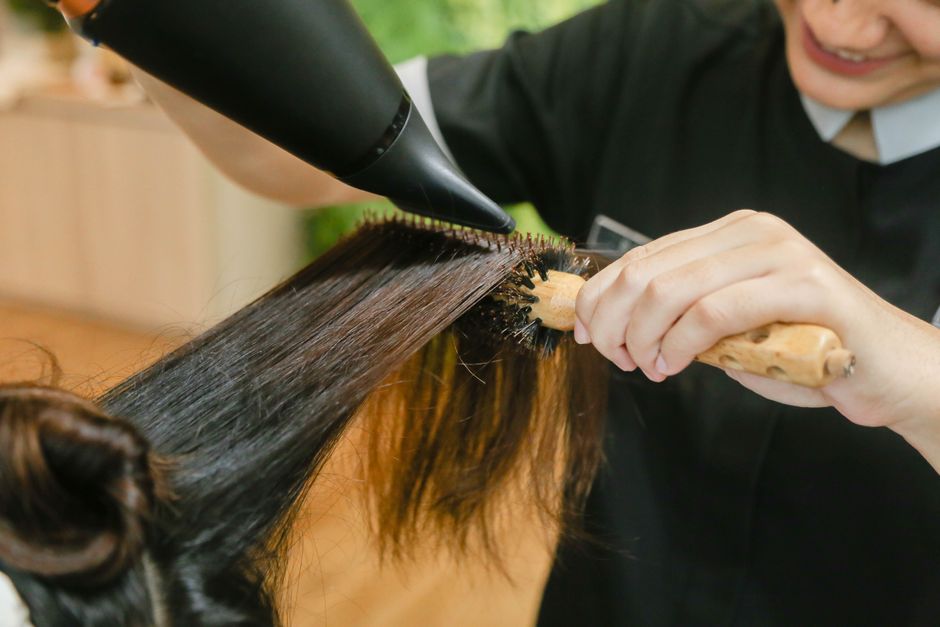
Swap tight elastic bands for soft scrunchies or spiral hair ties that won't pull or break your strands. Use wide-tooth combs or brushes with flexible bristles to detangle, starting from the ends and working your way up to minimize breakage.
Nighttime Care and Protection
Your hair needs care even while you sleep.
Switch to Silk or Satin
Cotton pillowcases absorb moisture from your hair and create friction that leads to tangles and breakage. Sleeping on a silk or satin pillowcase—or wrapping your hair in a silk scarf—reduces friction and helps retain moisture overnight.
Protect Your Hair Before Bed
For very dry hair, apply a small amount of leave-in conditioner or hair oil before bed. Loosely braid longer hair to prevent tangling and friction while you sleep.
Nourishing Your Hair from Within
External care alone is not enough—healthy hair starts with a healthy body.
Stay Hydrated
Drinking adequate water throughout the day keeps your body and hair hydrated from the inside out. Aim for at least eight glasses of water daily.
Eat a Hair-Healthy Diet
Incorporate foods rich in nutrients that support hair health:
- Omega-3 fatty acids from salmon, walnuts, and flaxseeds nourish hair follicles
- Protein from eggs, lean meats, and legumes provides the building blocks for strong hair
- Biotin and vitamins from nuts, sweet potatoes, and leafy greens support hair growth and strength
- Iron and zinc from spinach, lentils, and pumpkin seeds help prevent hair weakness
Additional Tips for Long-Term Hair Health
Trim your hair every six to eight weeks to remove split ends before they travel up the hair shaft. Protect your hair from sun exposure by wearing a hat or using UV-protective hair products. When swimming, wet your hair with clean water first and apply a leave-in conditioner to create a barrier against chlorine or salt water.
Summary
Caring for dry hair requires consistency, patience, and the right approach. Start by understanding the root causes of your hair's dryness, then build a gentle routine that includes washing less frequently with sulfate-free products, conditioning thoroughly, and incorporating weekly deep treatments. Handle your hair gently when drying and styling, minimize heat exposure, and protect it overnight with silk or satin fabrics. Finally, support your hair from within through proper hydration and a nutrient-rich diet. By following these daily care practices, you will gradually transform dry, brittle hair into soft, shiny, and healthy-looking locks. Remember, visible improvement takes time—stay consistent with your routine, and your hair will thank you.