Introduction
It's 2 a.m. You're staring at the ceiling, your mind racing through tomorrow's to-do list while your body refuses to shut down. If this sounds familiar, you're far from alone. Roughly 30% of adults experience insomnia symptoms at some point, and about 10% meet the criteria for chronic insomnia disorder [NIH]. In the United States, one in three adults fails to get the recommended amount of sleep on a regular basis [CDC].
The good news? You don't have to accept sleepless nights as your new normal. Whether your insomnia strikes occasionally or has become a nightly battle, there are proven strategies—some that work in minutes, others that rebuild your sleep over weeks—that can help you drift off faster and stay asleep longer. Here are the tricks worth trying, starting tonight.
What Is Insomnia, Exactly?
Insomnia isn't just "having trouble sleeping." Clinically, it means difficulty falling asleep, staying asleep, or waking too early—despite having adequate opportunity to rest—along with daytime consequences like fatigue, irritability, or poor concentration [AASM].
Sleep specialists distinguish between two forms:
- Acute insomnia lasts days or weeks and is usually triggered by stress, travel, illness, or a major life event.
- Chronic insomnia occurs at least three nights per week for three months or longer [AASM].
Common culprits behind sleeplessness include stress and anxiety, irregular sleep schedules, late-day caffeine, excessive screen time, certain medications, and underlying medical conditions such as chronic pain or acid reflux [Mayo Clinic]. Identifying your personal triggers is the first step toward fixing them.
Fast-Acting Techniques to Try Tonight
When you're lying awake right now, you need tools that work immediately. These techniques calm your nervous system and quiet a busy mind.
1. The 4-7-8 Breathing Method
This simple breathing pattern acts like a natural tranquilizer for your nervous system. Here's how:
1. Inhale quietly through your nose for 4 seconds.
2. Hold your breath for 7 seconds.
3. Exhale slowly and completely through your mouth for 8 seconds.
4. Repeat the cycle four times.
Slow, controlled breathing activates the parasympathetic nervous system—the body's "rest and digest" mode—helping lower heart rate and reduce the anxiety that keeps you awake [Sleep Foundation].
2. Progressive Muscle Relaxation
Racing thoughts often come with hidden physical tension. Progressive muscle relaxation (PMR) tackles both at once. Starting at your toes, deliberately tense each muscle group for five seconds, then release for ten seconds, working your way up through your calves, thighs, abdomen, hands, arms, shoulders, and face. PMR has been shown to reduce physical tension and anxiety, making it easier to fall asleep [Cleveland Clinic].
3. The Military Sleep Method
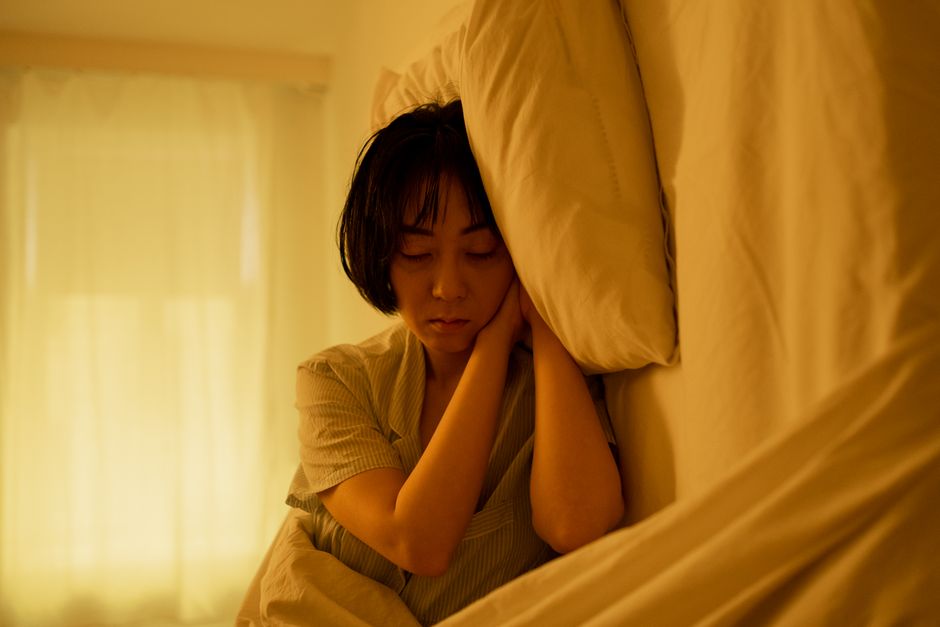
Reportedly developed to help soldiers fall asleep under difficult conditions, this method combines several relaxation principles:
- Relax every muscle in your face, including your tongue, jaw, and the muscles around your eyes.
- Drop your shoulders as low as they'll go, then relax your arms one side at a time.
- Exhale and relax your chest, then your legs from thighs down to feet.
- Spend ten seconds clearing your mind by imagining a calm scene, such as lying in a canoe on a still lake.
With consistent practice over several weeks, many people report falling asleep within minutes using this technique [Sleep Foundation].
4. Cognitive Shuffling
If your brain won't stop replaying conversations or planning tomorrow, give it something boring to do instead. Pick a random word like "candle," then think of unrelated words starting with each letter—Cat, Apple, Nest, Door—picturing each one briefly. This "cognitive shuffling" scrambles the coherent thought patterns that keep your mind alert, mimicking the random imagery of natural sleep onset.
5. The 20-Minute Rule
Here's a counterintuitive but critical trick: if you've been in bed for roughly 20 minutes without falling asleep, get up. Go to another room, keep the lights dim, and do something calm—read a dull book, listen to soft music—until you feel drowsy, then return to bed. This technique, called stimulus control, retrains your brain to associate your bed with sleep rather than frustration and wakefulness [AASM].
Long-Term Habits That Rebuild Your Sleep
Quick fixes help tonight, but lasting change comes from consistent sleep hygiene. Adults generally need seven or more hours of sleep per night for optimal health [AASM], and these habits make those hours count.
Keep a Rock-Solid Sleep Schedule
Go to bed and wake up at the same time every day—including weekends. A consistent schedule reinforces your body's internal clock, making it easier to fall asleep and wake naturally [NSF]. Sleeping in on Saturdays might feel good, but it effectively gives you jet lag by Monday.
Optimize Your Sleep Environment
Your bedroom should feel like a cave: cool, dark, and quiet.
- Temperature: Most people sleep best in a room around 60–67°F (15–19°C) [Sleep Foundation].
- Light: Use blackout curtains or an eye mask; even small amounts of light can disrupt sleep quality.
- Noise: Earplugs or a white noise machine can mask disruptive sounds.
- Comfort: Invest in a supportive mattress and pillows suited to your sleep position.

Cut Back on Caffeine and Alcohol
Caffeine has a half-life of roughly five hours, meaning that an afternoon coffee can still be circulating in your system at bedtime. Avoid caffeine after mid-afternoon if you're sensitive to it [Mayo Clinic]. Alcohol is equally deceptive: while a nightcap may make you drowsy initially, it fragments sleep later in the night and suppresses restorative REM sleep.
Create a Screen Curfew
The blue light emitted by phones, tablets, and laptops suppresses melatonin, the hormone that signals your body it's time to sleep [Harvard Public Health]. Set a digital curfew 30 to 60 minutes before bed, or at minimum switch devices to night mode and dim the brightness. Better yet, replace scrolling with a relaxing wind-down ritual: a warm shower, gentle stretching, or reading a physical book.
Move Your Body—at the Right Time
Regular physical activity is one of the most powerful sleep aids available, helping people fall asleep faster and enjoy deeper sleep [Johns Hopkins]. Aim for at least 30 minutes of moderate exercise most days, but finish vigorous workouts at least one to two hours before bedtime, since exercise temporarily raises core body temperature and alertness.
Watch Your Evening Meals
Going to bed too full—or too hungry—can sabotage sleep. Avoid heavy, rich, or spicy meals within two to three hours of bedtime [Mayo Clinic]. If you need a light snack, choose something that combines complex carbohydrates and protein, like whole-grain crackers with cheese or a small bowl of oatmeal.
When Insomnia Signals Something Bigger
Self-help strategies work wonders for many people, but sometimes professional guidance is necessary. See a doctor if:
- Your sleep problems occur at least three nights a week and persist for three months or more
- You snore loudly, gasp, or stop breathing during sleep (possible signs of sleep apnea)
- You experience uncomfortable urges to move your legs at night
- Daytime fatigue is affecting your work, driving, or relationships
- Insomnia accompanies persistent low mood or anxiety
The gold-standard treatment for chronic insomnia isn't a pill—it's cognitive behavioral therapy for insomnia (CBT-I), a structured program that addresses the thoughts and behaviors perpetuating sleeplessness. CBT-I is recommended as the first-line treatment for chronic insomnia, ahead of sleep medications [AASM]. If you're considering over-the-counter sleep aids or melatonin, talk to your healthcare provider first, as these aren't appropriate for everyone and work best with proper guidance [NIH].
Summary
Insomnia may feel overwhelming in the dark of night, but it's highly treatable. Start with fast-acting tools like 4-7-8 breathing, progressive muscle relaxation, the military sleep method, and cognitive shuffling to calm your mind and body tonight. If sleep doesn't come within 20 minutes, get up briefly rather than tossing in frustration. Then, build lasting change through consistent habits: a fixed sleep schedule, a cool and dark bedroom, limited caffeine and alcohol, a screen curfew, regular daytime exercise, and lighter evening meals. Finally, don't hesitate to seek professional help if sleeplessness persists—CBT-I offers a proven path to lasting relief. Better sleep isn't a luxury; it's a foundation of your health, and with these strategies, restful nights are well within reach.
References
This article references the following authoritative sources:
- Centers for Disease Control and Prevention — US national public health agency
- National Institutes of Health — US government medical research agency
- Mayo Clinic — Nonprofit American academic medical center
- Cleveland Clinic — American nonprofit academic medical center
- Johns Hopkins Medicine — American academic medical center and health system
- Harvard T.H. Chan School of Public Health — Harvard University public health graduate school
- National Sleep Foundation — Nonprofit dedicated to sleep health education
- American Academy of Sleep Medicine — Professional society for sleep medicine
- Sleep Foundation — Independent organization providing sleep health information