That daily bubble tea order feels harmless enough. A quick tap on the app, thirty minutes of waiting, and a sweet, chewy cup of comfort arrives at your door. But when "occasionally" turns into "every afternoon," the habit starts costing you more than money — it affects your energy, your sleep, and your long-term health. This guide breaks down why milk tea delivery is so hard to quit and gives you a realistic, step-by-step plan to finally cut the cord.
Why Milk Tea Delivery Hooks You So Easily
Before you can break a habit, you need to understand what's holding it together. Bubble tea delivery isn't just a drink preference. It's a carefully engineered loop of sugar, caffeine, and frictionless convenience.
The Sugar and Caffeine Combo
A regular 500ml bubble milk tea with full sugar can pack 40 to 60 grams of sugar — often exceeding the American Heart Association's recommended daily limit of added sugar in a single cup [AHA]. The AHA suggests no more than 36 grams of added sugar per day for men and 25 grams for women [AHA]. One drink blows past that before lunch.
Sugar triggers a quick dopamine hit, which your brain reads as a reward. Then comes the crash — fatigue, irritability, and a craving for more. Add caffeine from the tea base, and you've got a mild stimulant loop that keeps you coming back at the same time every day. Your body starts anticipating the 3 p.m. order before you even open the app.
The Convenience Trap of Delivery Apps
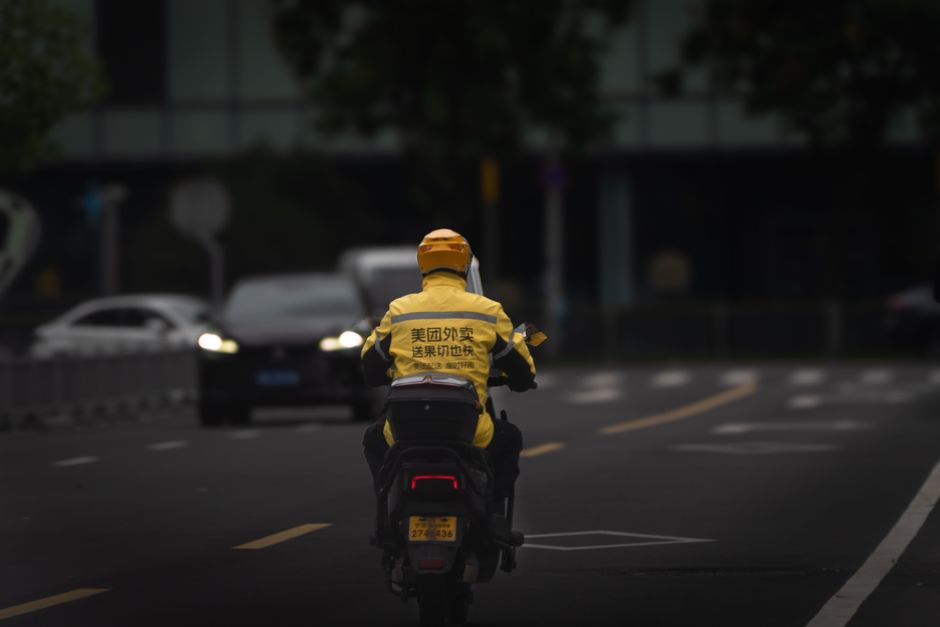
Delivery apps remove every barrier between craving and consumption. Saved payment info, one-tap reordering, loyalty points, and push notifications all exist to make ordering effortless. You never have to stand in line or face the small embarrassment of buying your fifth cup this week.
That's the real problem. The habit isn't just about the drink — it's about the ritual. The notification pings, the anticipation, the doorbell. Quitting cold turkey without addressing this loop almost always fails, because the trigger (the app) stays right on your home screen.
What Quitting Does for Your Body and Budget
Knowing the payoff makes the process easier. The benefits show up faster than most people expect, and they go well beyond the scale.
The Health Payoff of Cutting Liquid Sugar
Sugar-sweetened beverages are strongly linked to weight gain, type 2 diabetes, and heart disease, largely because liquid calories don't make you feel full the way solid food does [Harvard Public Health]. People who regularly drink sugary beverages have a notably higher risk of developing type 2 diabetes compared to those who rarely do [Harvard Public Health].
The CDC also connects frequent sugary drink consumption with obesity, cavities, and chronic disease risk [CDC]. Cut out a daily bubble tea, and you could eliminate 300 to 500 empty calories per day — that's potentially a pound of body weight every week or two, without changing anything else.
You'll likely notice subtler shifts first. Steadier energy in the afternoon. Fewer headaches. Better sleep once the late-day caffeine disappears, since the Mayo Clinic notes that caffeine consumed even six hours before bed can disrupt sleep quality [Mayo Clinic].
The Money You Didn't Realize You Were Spending
Do the math honestly. A delivered bubble tea often costs $6 to $9 once you add delivery fees, service charges, and tips. Five orders a week adds up to roughly $130 to $190 a month. Over a year, that's $1,500 to $2,300 — a vacation, a decent laptop, or a solid emergency fund.
Write your own number down. Seeing "$1,800 a year on milk tea" on paper hits differently than vague guilt, and it gives you a concrete reason to resist the next craving.
Practical Strategies to Break the Habit
Willpower alone won't beat a well-designed delivery loop. You need to change your environment and give your brain a replacement reward.
Rewire Your Environment First
Start with the apps. Delete them, or at minimum log out and remove saved payment methods. That extra 60 seconds of friction — re-entering a password, typing a card number — is often enough to kill an impulse order. Turn off all food-delivery notifications while you're at it.
Then change the physical setup. If your trigger is the afternoon slump at your desk, keep a water bottle and a prepared alternative within arm's reach. Habits research consistently shows that making the desired behavior easier and the unwanted behavior harder beats raw motivation every time.
Set a specific rule rather than a vague intention. "I'll only have bubble tea on weekends, ordered by walking to the shop" works far better than "I'll cut back." Clear lines are easier to defend than fuzzy ones.
Smart Swaps That Actually Satisfy
Don't try to replace a sweet, creamy, ice-cold treat with plain water and hope for the best. Match the experience as closely as you can:
- Homemade milk tea, downgraded. Brew strong black or oolong tea, add a splash of milk, and use one teaspoon of honey instead of syrup. You control the sugar, and a homemade version typically contains a fraction of the added sugar in a commercial cup.
- Sparkling water with fruit. It covers the cold, fizzy, flavored craving without the sugar load.
- Unsweetened iced tea with boba-free texture. Chia seeds soaked in milk give a surprisingly similar chewy mouthfeel with fiber and omega-3s as a bonus.
- If you must order out, downgrade strategically. Ask for 0% or 30% sugar, skip the toppings, choose a smaller size, and pick plain tea over milk-based versions. The Academy of Nutrition and Dietetics recommends gradually reducing sweetness so your taste buds can adapt over time [AND].

Your palate genuinely recalibrates. Most people find that after three to four weeks of lower sugar, a full-sugar bubble tea tastes cloying — the craving weakens on its own.
Making the Change Stick for Good
The first week is the hardest. After that, it's about protecting your progress from boredom, stress, and social pressure.
Handle Cravings and Setbacks the Right Way
Cravings peak and pass within about 10 to 15 minutes if you don't feed them. When one hits, set a timer and do something physical — walk around the block, do a few stretches, make that homemade version. Nine times out of ten, the urge fades before the timer does.
And when you slip? Don't spiral. One order doesn't erase three good weeks. The "what-the-hell effect" — where a single lapse triggers a full relapse — destroys more quit attempts than the craving itself ever does. Acknowledge it, note what triggered it (stress? a boring meeting? a friend's suggestion?), and adjust your plan. Then move on.
Consider a taper instead of a hard stop if you've been drinking multiple cups a week. Going from five orders to two, then to one, then to occasional treats gives your taste buds and your routine time to adjust. The WHO recommends keeping free sugars below 10% of total daily energy intake — and ideally under 5% — so an occasional modest bubble tea can fit into a healthy pattern as long as it's genuinely occasional [WHO].
Build a Ritual Worth Keeping
The afternoon bubble tea was never just about thirst. It was a break, a small celebration, a moment of comfort. Replace it with something that serves the same emotional function: a ten-minute walk with a good podcast, a fancy homemade tea in a cup you actually like, or a piece of fruit with a handful of nuts.
Track your streak somewhere visible. Put the money you would've spent into a jar or a separate savings account and watch it grow. Temptation bundling works too — only listen to your favorite show or playlist during your new tea ritual. Your brain learns to look forward to the replacement, not the old habit.
Give it a month. By week four, most people report the cravings have dropped dramatically, the afternoon energy crashes have eased, and the habit feels more like a distant memory than a daily battle.
Summary
Breaking the bubble tea delivery habit comes down to three moves: understanding the sugar-caffeine-convenience loop that keeps you hooked, redesigning your environment so ordering becomes inconvenient and alternatives become easy, and replacing the ritual instead of just removing it. A single daily milk tea can exceed the recommended added sugar limit for an entire day [AHA], and regular sugary drink consumption is linked to weight gain and type 2 diabetes risk [Harvard Public Health] — so the health payoff is real, and the financial savings of $1,500 or more per year don't hurt either. Start by deleting the apps, stock a satisfying homemade alternative, taper down if you need to, and forgive the occasional slip. Within a few weeks, the craving fades, your energy stabilizes, and that daily delivery notification loses its power for good.
References
This article references the following authoritative sources:
- World Health Organization — United Nations agency responsible for international public health
- Centers for Disease Control and Prevention — US national public health agency
- Mayo Clinic — Nonprofit American academic medical center
- Harvard T.H. Chan School of Public Health — Harvard University public health graduate school
- Academy of Nutrition and Dietetics — World's largest organization of food and nutrition professionals
- American Heart Association — Nonprofit focused on heart disease and stroke prevention