Why Does My Fridge Smell Bad and Is It Safe?
That funky odor isn't just annoying. It's a warning sign. A smelly fridge usually means bacteria or mold are thriving inside. You might think the cold air kills everything. It doesn't. Many pathogens actually love the cool, damp environment. According to the [NHS], poor fridge hygiene directly contributes to cross-contamination in your kitchen.
When strong odors linger, your food absorbs them. Your milk might taste like leftover garlic. Worse, invisible microbes are likely multiplying on your shelves. Different foods emit different volatile compounds as they break down. The cold air slows this process down, but it never stops it completely. You need to tackle the root cause. Masking the smell with artificial sprays won't fix the underlying bacterial issue. You have to clean the source to make the environment safe again.
How Often Should I Deep Clean My Refrigerator?
You should deep clean your fridge at least once a month. Don't wait for a spill or a bad smell to prompt you. Preventative maintenance is key. Wipe down high-touch areas like the handle every week. The [CDC] recommends checking your fridge temperature regularly to ensure it stays at or below 40°F (4°C). A warmer fridge accelerates food spoilage. Spoiled food creates odors. It also breeds harmful bacteria.
Throw out expired condiments weekly. Those half-empty jars of salsa and mayo are prime real estate for mold. Don't forget the water dispenser and ice maker. These parts are often neglected and harbor bacteria inside their internal tubes. Keep a simple schedule. Set a reminder on your phone. Consistency makes the job much easier and keeps your appliance running efficiently.
What Are the Best Natural Deodorizers for the Fridge?
Skip the chemical air fresheners. They just add synthetic fragrances to your food. Natural deodorizers work better and are much safer for your family.
Baking Soda
This is the classic choice. Baking soda neutralizes acids and bases. It balances the pH levels in the air. Just leave an open box on the top shelf. Replace it every three months for maximum effectiveness.
White Vinegar
Vinegar is a powerhouse. It kills mold and neutralizes odors. Mix equal parts water and white vinegar in a spray bottle. Wipe down the interior walls. The vinegar smell dissipates quickly once it dries.

Lemons
Lemons contain limonene, a natural solvent that cuts through grease and smells amazing. Cut a lemon in half and place it in the fridge. The citric acid helps neutralize bad smells while leaving a fresh scent.
Activated Charcoal
Charcoal is highly porous. It traps odor molecules effectively. Place a small bowl of activated charcoal in the back of the fridge. It lasts for months and requires zero maintenance.
Can a Dirty Fridge Make Me Sick?
Absolutely. A dirty fridge is a serious health hazard. The [WHO] warns that improper food storage leads to millions of foodborne illness cases yearly. Listeria is a major culprit. Unlike many bacteria, Listeria thrives in cold temperatures. It can survive and grow right inside your fridge. The [Mayo Clinic] notes that Listeria causes severe infections, especially in pregnant women, newborns, and older adults.
Salmonella and E. coli also spread easily through cross-contamination. Raw meat juices dripping onto fresh veggies is a recipe for disaster. Cleaning your fridge isn't just about aesthetics. It's about protecting your family's health. A quick wipe-down isn't enough to kill these resilient pathogens. You need proper sanitization to break the chain of infection.
Step-by-Step Guide to a Spotless and Fresh Fridge
Ready to scrub? Let's get to work. Follow this simple process for the best results.
Prep and Empty
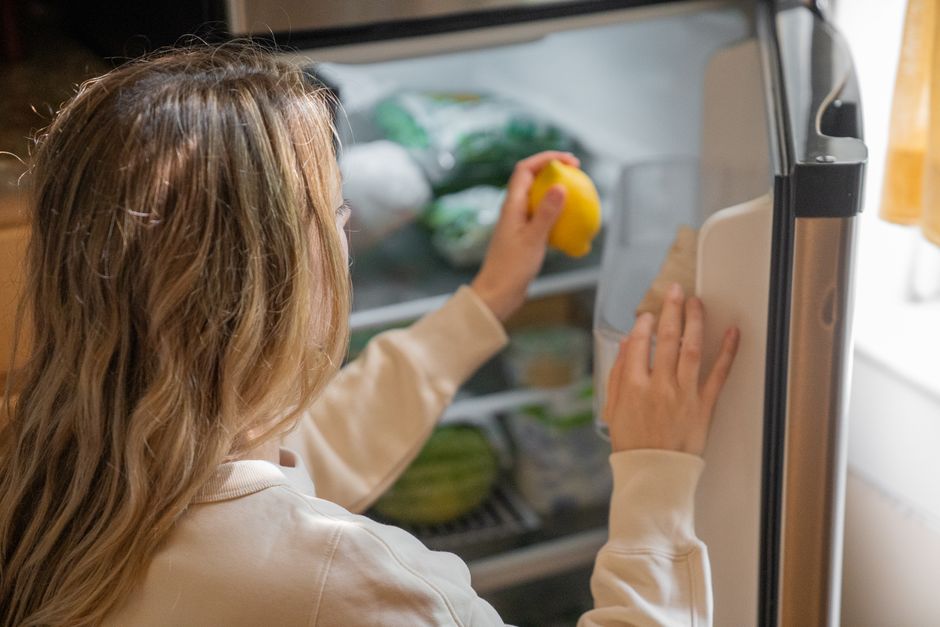
Unplug the fridge if you're doing a massive clean. Usually, just turning the thermostat down works. Take all the food out. Put perishables in a cooler with ice packs. Remove every shelf, drawer, and rack.
Wash and Sanitize
Take the removable parts to the sink. Let them reach room temperature first. Cold glass shatters in warm water. Wash them with warm, soapy water. Rinse thoroughly. For sanitizing, use a solution of one tablespoon of unscented liquid bleach per gallon of water. The [Cleveland Clinic] advises letting the solution sit on surfaces for a few minutes before wiping. This kills lingering bacteria. Never mix bleach with other cleaners.
Wipe the Interior
Use your vinegar spray or a mild dish soap solution on the interior walls. Pay special attention to the crevices and seals. The rubber gasket around the door traps crumbs and mold. Use an old toothbrush to scrub the folds. Wipe everything down with a clean, damp microfiber cloth. Dry the interior completely with a towel. Moisture left behind encourages mold growth. Don't forget the drip pan at the bottom. It collects condensation and can smell terrible if neglected.
Restock Smartly
Put the dry shelves and drawers back. Wipe down the outside of every container before putting it back in the fridge. This prevents transferring outside germs to your clean shelves. Organize items logically. Keep raw meat on the bottom shelf. Store dairy and eggs on the middle shelves. Put produce in the crisper drawers.
Smart Habits to Keep Odors and Bacteria at Bay
Cleaning is only half the battle. Your daily habits determine how fast the fridge gets dirty again. The [Harvard Public Health] experts suggest adopting smart food storage practices to maintain a healthy kitchen environment.
First, use airtight containers. Glass is best. It doesn't hold onto smells like plastic does. Seal your leftovers immediately. Second, don't overstuff the fridge. Cold air needs to circulate. A packed fridge has warm spots. Warm spots breed bacteria. Third, check your produce. One rotting strawberry can spoil the whole batch. Wash berries right before you eat them, not before storing them. Excess moisture causes mold.
Adopt the "first in, first out" method. Move older items to the front. Put new groceries in the back. This prevents food from getting lost and expiring. Keep a small trash can nearby or throw away bad food immediately. Don't leave it sitting on the counter. Wipe up spills the second they happen. Sugar and protein spills feed bacteria instantly. Keep a pack of wipes inside the fridge door for quick daily cleanups.
Summary
A clean, fresh-smelling fridge is essential for your health and your peace of mind. Bad odors signal bacterial growth and potential food safety risks. Deep clean your appliance monthly using natural deodorizers like baking soda, vinegar, and lemons. Protect your family from foodborne illnesses like Listeria by sanitizing surfaces properly. Adopt smart storage habits to keep the air circulating and the food fresh. A little consistent effort goes a long way. Your fridge will smell great, and your food will stay safe.
References
This article references the following authoritative sources:
- World Health Organization — United Nations agency responsible for international public health
- Centers for Disease Control and Prevention — US national public health agency
- Mayo Clinic — Nonprofit American academic medical center
- Cleveland Clinic — American nonprofit academic medical center
- NHS UK — United Kingdom publicly funded healthcare system
- Harvard T.H. Chan School of Public Health — Harvard University public health graduate school