Picture this. You just spent your Saturday scrubbing the kitchen from top to bottom. The countertops gleam. The floors shine. But your eyes are watering. Your throat feels scratchy. You have a dull, throbbing headache. You breathe in the fumes and wonder if this is really worth the effort. You rush to open a window to let the harsh chemical fumes escape. Sound familiar? We've all been there. We buy bright blue or neon green bottles promising a "deep clean." But that sterile, overpowering smell isn't the scent of health. It's the smell of volatile chemicals lingering in your living space. You don't need to compromise your indoor air quality to keep your home spotless. Low-cost DIY homemade cleaning recipes are the answer. They are incredibly cheap. They work beautifully. And most importantly, they keep your family safe from unnecessary chemical exposure.
The Hidden Health Risks of Commercial Cleaners
Why exactly should you switch? Store-bought cleaners are packed with synthetic fragrances, artificial preservatives, and harsh solvents. These hidden ingredients release volatile organic compounds (VOCs) directly into your indoor air. Your indoor air can actually be two to five times more polluted than outdoor air [Harvard Public Health]. That's a staggering fact.
Breathing in these VOCs causes immediate, uncomfortable problems. You might get dizzy. You could experience severe respiratory irritation. Long-term exposure links to much more serious chronic health issues. Your body isn't designed to filter out these synthetic compounds on a daily basis. The [CDC] warns that certain cleaning chemicals trigger asthma attacks and actively worsen existing respiratory conditions. Kids and the elderly are especially vulnerable to these airborne irritants.
Skin contact is another major issue. Many commercial degreasers strip natural oils right out of your hands. This leads to dry, cracked skin and painful contact dermatitis. The [Mayo Clinic] notes that repeated exposure to harsh surfactants and alkaline compounds damages the skin's protective barrier. Once that barrier is broken, infections can easily take hold.
Then there are endocrine disruptors. Phthalates are often hidden under the vague, legally protected term "fragrance." These chemicals mess with your body's hormone production. The [NIH] highlights that chronic exposure to these specific disruptors can interfere with reproductive and developmental health. You're paying a premium for products that actively harm your well-being. It's time to take back control of your home environment.

Your Practical Guide to Low-Cost DIY Homemade Cleaning Recipes
Making your own cleaners is incredibly simple. You only need a few basic pantry staples. White vinegar, baking soda, castile soap, and essential oils do the heavy lifting. They cost pennies per batch. Here is your ultimate toolkit for a non-toxic home.
The All-Purpose Surface Cleaner
This is your daily driver. It cleans counters, sinks, and appliances with ease. Mix equal parts distilled white vinegar and water in a glass spray bottle. Add 10 drops of lemon essential oil. The vinegar cuts through everyday grime and disinfects surfaces. The lemon oil smells amazing and adds extra antibacterial properties. Shake well before each use. Don't use this on natural stone like granite or marble. The acid in the vinegar will etch the stone and ruin the finish. Use a gentle castile soap and water mix for stone instead.
The Heavy-Duty Degreaser
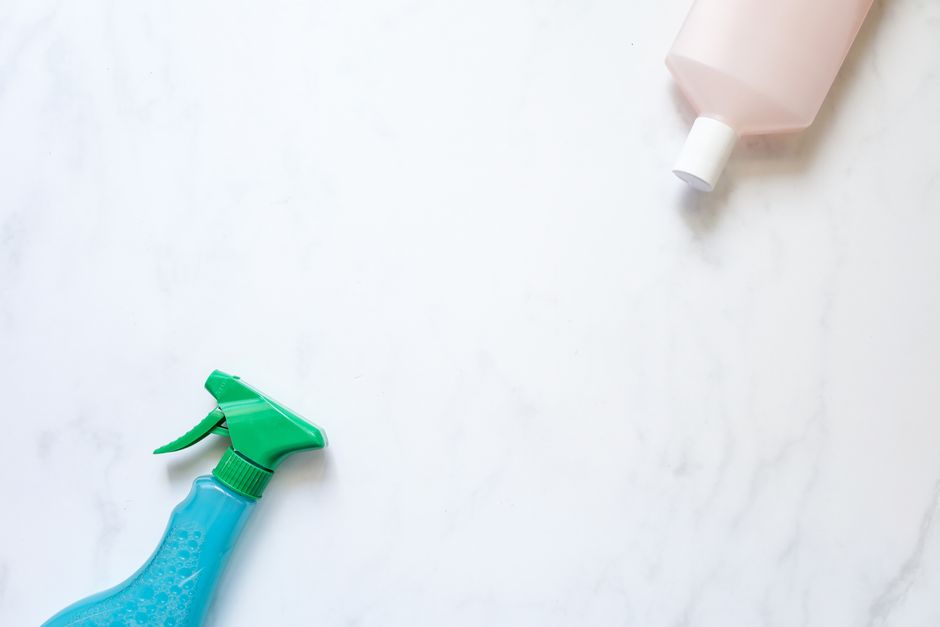
Kitchen stovetops get messy. Grease builds up quickly over daily cooking. Vinegar alone won't cut through thick, baked-on fat. You need an alkaline cleaner for this job. Mix two cups of warm water with one tablespoon of baking soda and one teaspoon of liquid castile soap. Pour it into a spray bottle. Spray it generously on the greasy surface. Let it sit for five minutes. The baking soda acts as a gentle abrasive while the soap lifts the grease. Wipe it away with a damp microfiber cloth. It works like absolute magic.
The Streak-Free Glass and Mirror Cleaner
Commercial glass cleaners leave behind a cloudy, filmy residue. They also contain ammonia, which is terrible for your lungs. Ditch the blue liquid. Combine one cup of rubbing alcohol, one cup of water, and one tablespoon of white vinegar in a spray bottle. The alcohol evaporates quickly. This rapid evaporation prevents streaks. Spray it on your mirrors and windows. Wipe with a crumpled piece of newspaper or a clean microfiber cloth. You'll get a crystal-clear finish every single time.
The Toilet Bowl Fizz
Toilets need serious disinfecting power. This recipe uses a classic chemical reaction to do the hard work for you. Sprinkle half a cup of baking soda directly into the toilet bowl. Add a few drops of tea tree oil. Tea tree oil is a powerful natural antifungal and antibacterial agent [Cleveland Clinic]. Pour half a cup of white vinegar over the baking soda. It will fizz violently. This aggressive fizzing action helps lift stubborn stains and grime from the porcelain. Let it sit for ten minutes. Scrub with a toilet brush and flush.
The Natural Wood Polish
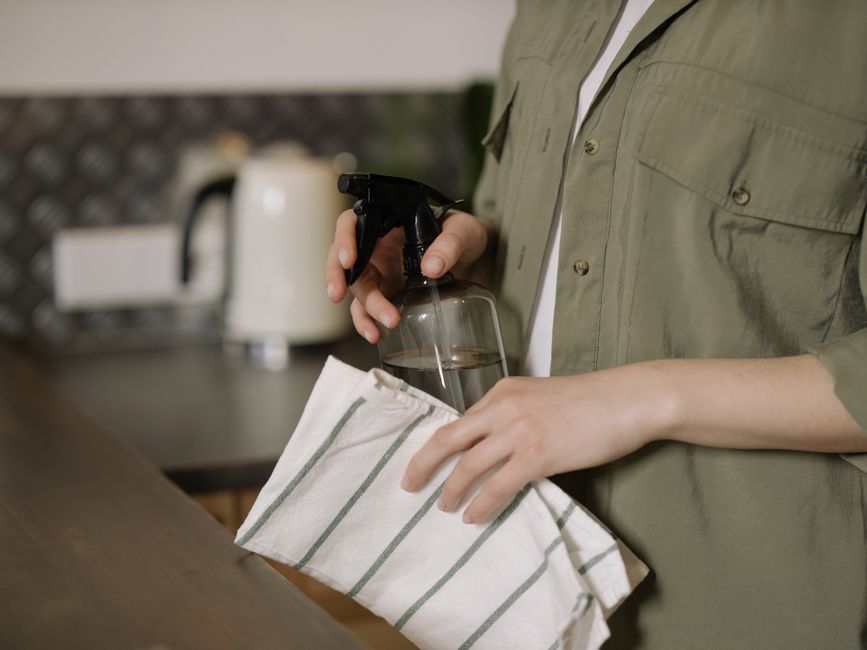
Store-bought wood polishes contain silicone and petroleum distillates. They just coat the wood in a synthetic, slippery layer. Mix one-quarter cup of olive oil with one-quarter cup of white vinegar. Add ten drops of orange essential oil. The oil nourishes the wood deeply. The vinegar cleans and removes old wax buildup. Apply a small amount to a soft cloth. Rub it into the wood grain. Buff it with a clean, dry cloth. Your furniture will look rich and hydrated.
Safety Tips for Mixing Your Own Cleaners
Natural doesn't mean risk-free. You still need to respect basic chemistry. Never mix vinegar with hydrogen peroxide in the same container. This creates peracetic acid. It's highly corrosive and irritates your skin, eyes, and respiratory system [NHS]. Store them in separate bottles and never mix them together in the air.
Keep your DIY cleaners in clearly labeled bottles. Labeling is crucial. A quick note on a piece of tape prevents accidental misuse. Store them out of reach of children and pets. Even natural ingredients can cause stomach upset if swallowed in large amounts. Always test a small, hidden area first. You want to make sure your cleaner doesn't discolor or damage the surface. Wear gloves if you have sensitive skin. Baking soda and vinegar are mild, but prolonged exposure to any cleaner can dry out your hands.
Summary
Switching to low-cost DIY homemade cleaning recipes completely transforms your home environment. You eliminate toxic VOCs from your indoor air. You protect your family's respiratory and skin health. You save a significant amount of money every single month. The planet benefits too. You reduce plastic waste and keep harsh chemicals out of the water system. You don't need a chemistry degree to clean your house safely. A few simple ingredients do the trick. They tackle grease, grime, and germs effectively. Your home will be just as clean. Actually, it will be much healthier. Ditch the harsh commercial bottles. Grab the vinegar and baking soda. Enjoy a sparkling, safe, and toxin-free home.
References
This article references the following authoritative sources:
- Centers for Disease Control and Prevention — US national public health agency
- National Institutes of Health — US government medical research agency
- Mayo Clinic — Nonprofit American academic medical center
- Cleveland Clinic — American nonprofit academic medical center
- NHS UK — United Kingdom publicly funded healthcare system
- Harvard T.H. Chan School of Public Health — Harvard University public health graduate school