Why Does My Toddler Hate Washing Hands?
Toddlers live entirely in the present moment. Stopping play to wash hands feels like a sudden punishment. They don't understand invisible germs. To them, dirt is just a badge of honor from a fun day outside. Sensory issues also play a massive role. The sudden rush of water might scare them. Strong-smelling soaps can completely overwhelm their sensitive noses. Cold water feels uncomfortable on their skin. [CDC] states that poor hand hygiene is a leading cause of illness in young children. You know it's vital for their health. Your child just wants to keep building that block tower.
The Struggle with Transitions
Kids hate interrupting their flow. Moving from a high-energy activity to a mundane chore causes friction. Give them a warning. Tell them they have five more minutes to play. Use a visual timer if it helps. This prepares their brain for the shift.
Sensory Sensitivities
Pay close attention to the physical setup. Is the sink too high? Are the soap dispensers completely out of reach? A child standing on tiptoes feels unstable. They won't cooperate if they feel physically unsafe.
At What Age Should I Start Teaching Handwashing?
Start as early as possible. Babies can begin learning the routine the moment they start eating solid foods. You don't expect them to scrub properly at six months old. You just want them to get used to the physical routine. [WHO] emphasizes that early introduction to hand hygiene sets the foundation for lifelong health. Model the behavior constantly. Let them watch you wash your hands. Toddlers are excellent mimics. If they see you doing it every time you come inside, they'll naturally want to copy you.
Developing Fine Motor Skills
Handwashing requires coordination. Pumping the soap, rubbing palms together, and rinsing without making a huge mess takes practice. Don't get frustrated if they struggle. Their fine motor skills are still developing. Guide their hands gently. Show them how to interlock their fingers. Make it a physical learning experience.
The Power of Observation
Don't just tell them what to do. Show them. Make it a family activity. Wash your hands together before dinner. Narrate your actions out loud. "I'm getting my hands wet. Now I'm using soap." Keep it simple. Keep it positive.
How Long Should My Child Actually Wash Their Hands?
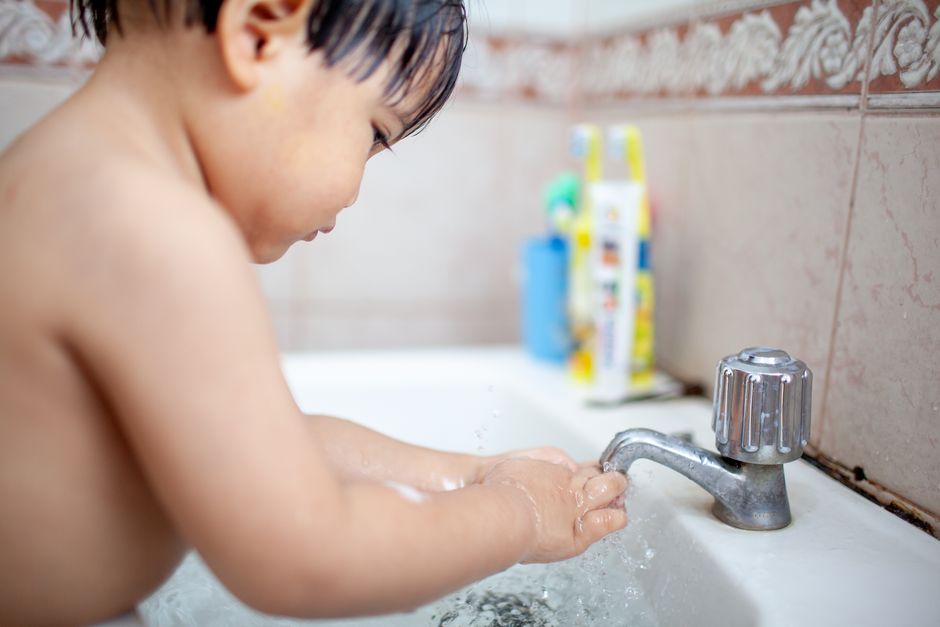
The magic number is 20 seconds. [NHS] recommends scrubbing for at least 20 seconds to effectively remove pathogens. That's a very long time for a wiggly two-year-old. They will rush it. They will do a three-second splash and try to run away. You need a timer. Or better yet, use a song.
The Mechanics of a Good Scrub
Time isn't the only factor. Technique matters. Teach them to wash the palms, the backs of their hands, and between their fingers. Don't forget the thumbs and fingertips. [Mayo Clinic] suggests paying special attention to the areas where dirt and germs hide. Make sure they rinse thoroughly. Leftover soap can irritate their delicate skin.
The Singing Strategy
Singing makes the time pass quickly. Pick a favorite tune. The "Happy Birthday" song works perfectly if you sing it twice. You can also use the ABCs. Create a silly handwashing song just for them. "Wash the palms, wash the backs, get those germs off the tracks!" Make up your own lyrics. The specific song doesn't matter. The rhythm does. It keeps them engaged for the full duration.
What If My Child Still Refuses to Wash Their Hands?
You've tried singing. You've bought fun soap. They still fight it. Don't panic. Try troubleshooting the environment. Switch to a foaming soap. Some kids vastly prefer the texture of foam over liquid gel. Check the water temperature. Lukewarm water is much more inviting than freezing cold water.
Giving Them Control
Toddlers crave independence. Give them choices to reduce power struggles. Ask, "Do you want the blue soap or the pink soap?" Let them pick their own hand towel. Allow them to turn on the faucet themselves. When they feel in charge, resistance drops significantly. [Cleveland Clinic] suggests that offering limited choices is a highly effective behavioral tool for stubborn toddlers.
Handling the Meltdowns
Sometimes they just cry. Stay calm. Don't force their hands under the water if they are terrified. Use a gentle, reassuring tone. Wipe their hands with a warm, damp washcloth instead. You're still cleaning them. You're just changing the method. Try again at the next sink.
Make Handwashing a Fun and Engaging Routine
Turn the sink into a playground. Use a step stool with a fun design. Put a mirror at their eye level so they can watch themselves. Add a pump soap dispenser shaped like an animal. [Harvard Public Health] notes that environmental cues heavily influence childhood habit formation. Make the bathroom a place they actually want to visit.
Gamify the Process
Create a sticker chart. Every successful handwash earns a sticker. Five stickers equal a small reward. Keep the rewards simple. A trip to the park or choosing a bedtime story works wonders. You can also use glitter. Put a tiny speck of glitter on their hands. Tell them the "germ monsters" are hiding there. They have to scrub until all the glitter is gone. It's visual. It's effective. Kids love a good challenge.
Use Books and Media
Read children's books about germs and handwashing. Visual stories help them understand the "why." Watch short educational videos together. Seeing cartoon characters wash their hands reinforces the message. It normalizes the behavior.
Building Lifelong Hygiene Habits Early
Consistency is your best friend. Wash hands at the exact same times every day. Before meals. After using the toilet. After coming inside. After playing with pets. Routine removes the need for negotiation. It just becomes a normal part of the day. Praise their efforts. Don't just praise the result. Say, "I love how you scrubbed between your fingers!" Positive reinforcement builds confidence.
The Health Connection
Explain why it matters in simple terms. Tell them soap washes away the tiny bugs that make our tummies hurt. Kids understand cause and effect when it relates to their own bodies. [Johns Hopkins] highlights that parental modeling is the strongest predictor of a child's long-term health behaviors. Be the leader they want to follow.
Leading by Example
Your habits matter more than your lectures. If you skip handwashing, they will too. Make it a non-negotiable family rule. Everyone washes their hands. No exceptions.
Summary
Getting a toddler to wash their hands takes patience. It requires creativity. Understand their sensory needs and their struggle with transitions. Make the process fun. Sing songs, use foaming soap, and give them choices. Keep the water warm and the soap within reach. Teach them the proper technique. Consistency builds the habit. Model the behavior you want to see every single day. Handwashing doesn't have to be a daily battleground. With the right approach, it becomes a seamless part of your child's day. You're setting them up for a lifetime of good health. Keep it light. Keep it positive. You've got this.
References
This article references the following authoritative sources:
- World Health Organization — United Nations agency responsible for international public health
- Centers for Disease Control and Prevention — US national public health agency
- Mayo Clinic — Nonprofit American academic medical center
- Cleveland Clinic — American nonprofit academic medical center
- Johns Hopkins Medicine — American academic medical center and health system
- NHS UK — United Kingdom publicly funded healthcare system
- Harvard T.H. Chan School of Public Health — Harvard University public health graduate school