What Exactly Happens to Your Gut When You Eat More Fiber?
Fiber isn't just roughage passing through your system. It's active fuel. Your gut bacteria feast on it. When you eat soluble fiber, it ferments in your colon. This fermentation process produces short-chain fatty acids, like butyrate [NIH]. Butyrate directly feeds your colon cells. It lowers local inflammation. Your gut lining gets stronger. A leaky gut starts to heal.
Insoluble fiber does a different job. It adds bulk to your stool. It keeps things moving through your digestive tract. Constipation disappears. Your colon stays clean. The physical act of chewing high-fiber foods also signals your brain that you're eating. This triggers early satiety. You stop eating before you overfill your stomach.
The Role of Short-Chain Fatty Acids
Those short-chain fatty acids do more than just feed colon cells. They enter your bloodstream. They travel to your liver and brain. They regulate your metabolism. They even influence your mood. A healthy gut literally changes your body chemistry from the inside out.
How Does Fiber Actually Prevent Chronic Diseases?
Heart disease is a massive global killer. Soluble fiber binds to cholesterol in your digestive tract. It drags it out of your body before it hits your bloodstream [AHA]. Your heart works less. Your arteries stay clear. Blood pressure often drops as a result.
Type 2 diabetes is another major target. Fiber slows down the absorption of sugar. You avoid those nasty blood sugar spikes after meals. Your insulin sensitivity improves over time [ADA]. Your pancreas gets a much-needed break.
Cancer risk drops significantly too. A healthy microbiome produces those protective SCFAs. They stop abnormal cells from growing and multiplying in the colon [WHO]. The physical bulk of insoluble fiber also dilutes potential carcinogens. It speeds up the transit time of waste. Toxins spend less time touching your colon walls.
Weight management gets much easier. High-fiber foods fill you up quickly. You eat fewer calories without feeling starved [CDC]. You don't need to count every single calorie when your plate is full of fiber-rich plants.
Boosting Your Immune System
Your gut houses a huge portion of your immune system. A fiber-fed microbiome trains your immune cells. It teaches them to distinguish between harmful pathogens and harmless food particles. This reduces systemic inflammation. Your body fights off actual infections better while ignoring harmless triggers.
How Much Fiber Do You Really Need Every Day?
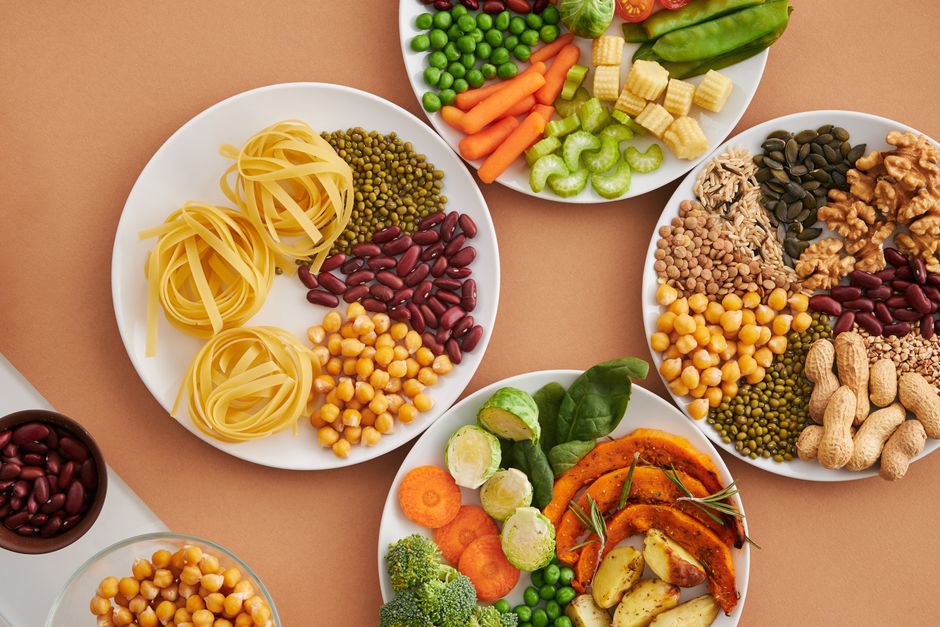
Most people fall way short of the target. The average daily intake is miserable. We eat too much processed food and not enough plants.
Men need about 38 grams a day. Women need around 25 grams [USDA]. Age matters. If you're over 50, your calorie needs drop. Men drop to 30 grams. Women drop to 21 grams [AND].
Don't just look at total carbohydrates on a nutrition label. Look specifically at the fiber content. Aim for at least 14 grams of fiber for every 1,000 calories you eat. That's the golden ratio for optimal health.
Tracking Your Intake
You don't need to obsess over every gram. Just look at your meals. If your breakfast, lunch, and dinner all contain a solid source of plants, you're probably close to your goal. If your meals are mostly meat and refined carbs, you're falling behind.
What Are the Best High-Fiber Foods to Eat?
Beans and lentils are the undisputed kings of fiber. A single cup of black beans packs over 15 grams of fiber. Chickpeas, lentils, and split peas are also fantastic. They're cheap, versatile, and incredibly nutritious.
Berries are nature's candy. Raspberries give you 8 grams per cup. Blackberries are right behind them. They also pack a massive antioxidant punch.
Seeds and Nuts
Chia seeds and flaxseeds are tiny powerhouses. Two tablespoons of chia seeds give you 10 grams of fiber. Sprinkle them on yogurt, oatmeal, or salads. Almonds and pistachios are great snack options. Just watch your portion sizes, as nuts are calorie-dense.
Whole Grains and Vegetables
Whole grains beat refined carbs every single time. Swap white rice for quinoa, barley, or farro. Oats are a perfect breakfast choice. Vegetables like broccoli, Brussels sprouts, and artichokes are loaded with fiber. Eat the skins on your apples and potatoes. That's where a lot of the fiber lives.

Building a Sustainable High-Fiber Lifestyle
You can't just eat a bowl of dry bran and call it a day. Variety is the key to success. Different types of fiber feed different strains of bacteria. A diverse diet creates a diverse microbiome. A diverse microbiome is a resilient one [Harvard Public Health].
Plan your meals ahead of time. Prep your snacks. Keep almonds, apples, and roasted chickpeas at your desk. When hunger strikes, you need healthy options ready to go.
Read labels carefully. Many products claim to be "whole grain" but sneak in very little actual fiber. Look for at least 3 grams of fiber per serving. Check the ingredient list. Whole grains should be the very first ingredient.
Overcoming the Bloat: Tips for Increasing Fiber Safely
Going from zero to thirty grams of fiber overnight is a terrible idea. Your gut bacteria need time to adapt to the new food source. If you rush it, you'll get bloated, gassy, and crampy. You might even get constipated.
Add just a few grams every few days. Give your digestive system a full week to adjust before adding more. Patience pays off here.
Hydration is Non-Negotiable
Drink tons of water. Fiber without water turns into concrete in your intestines. Soluble fiber absorbs water to form a gel. Insoluble fiber needs water to keep things moving. Hydration keeps everything flowing smoothly [Mayo Clinic]. Aim for at least eight glasses a day, and more if you're active.
Cook your vegetables. Raw veggies are great, but cooking them breaks down some of the tough fibers. This makes them much easier to digest when you're first starting out. Steaming or roasting is better than boiling, which leaches out nutrients.
Summary
A high-fiber diet isn't a passing fad. It's a biological necessity. You feed your gut bacteria. They produce compounds that heal your body and regulate your systems. You lower your risk of heart disease, diabetes, and cancer. You manage your weight effortlessly.
Start small. Drink plenty of water. Eat a wide rainbow of plant foods. Your gut will thank you, and your long-term health will reflect the effort.
References
This article references the following authoritative sources:
- World Health Organization — United Nations agency responsible for international public health
- Centers for Disease Control and Prevention — US national public health agency
- National Institutes of Health — US government medical research agency
- Mayo Clinic — Nonprofit American academic medical center
- Harvard T.H. Chan School of Public Health — Harvard University public health graduate school
- Academy of Nutrition and Dietetics — World's largest organization of food and nutrition professionals
- USDA FoodData Central — US Department of Agriculture food composition database
- American Heart Association — Nonprofit focused on heart disease and stroke prevention
- American Diabetes Association — Nonprofit focused on diabetes research and advocacy